If you’ve ever dreamt of taking on a trail that pushes the human body and mind to the edge, look no further than The Snowman Trek.
Forget gentle hills and tidy switchbacks. This is Bhutan’s crown jewel of Himalayan trekking. A beast of a journey. An unforgiving, 189-mile path that climbs through 11 mountain passes, all towering over 16,000 feet. Four of those climb above 17,000 feet. And there’s barely a break in the elevation gain.
It’s not just long. It’s brutal. Remote. Wild.
The Reality Behind the Romance
Let’s get one thing clear: The Snowman Trek isn’t a tourist trail. It’s a logistical and physical marathon tucked into a remote Himalayan pocket where the mountains play by their own rules.
There are no roads. No rescue stations. Just narrow windows of good weather and unpredictable storms that shut you in for days. Even elite adventurers with alpine backgrounds and ultra-running trophies found themselves rethinking every expectation.
And yet, despite the risk and the isolation, it’s alluring. Because the Snowman Trek isn’t about leisure. It’s about testing your limits.
Why Is It So Difficult?
First, the numbers. The route covers 189 miles across the eastern Himalayas. Most trekking groups need 25 to 30 days to finish it, if the weather cooperates. The altitude is relentless, with dozens of miles spent above 16,000 feet, which is well into the range where the human body starts breaking down.
Second, Bhutan has strict rules. Foreigners aren’t allowed to trek alone. You’re required to go with a guide, support crew, and horses. That means your expedition is large and slow-moving, often governed by the limitations of livestock and cautious planning from those who live in the region.
This style of travel is beautiful in its own way, but when you’re aiming to move fast, it becomes friction.
The locals don’t rush. They’re not reckless. They know the dangers.
And they don’t think anyone should attempt to do the Snowman Trek in under 15 days.
Fast vs. Traditional: The Cultural Conflict
When one team set out to do the full route in record time, their goal wasn’t just about speed. It was about understanding the trail in a different way, moving lightly, running with intention, and pushing past the standard format that governs Bhutanese trekking.
But the moment the crew landed, the pushback started. Local guides, managers, and support staff looked doubtful. They laughed. Some even refused. Not out of spite, but out of deep, lived knowledge.
The challenge wasn’t just physical. It became cultural.
In Bhutan, trekking is done with care. Horses are fed and rested. Campsites are chosen early in the day. Trekkers travel slowly to acclimate properly. And when foreigners come in with a plan to skip rest days, double distances, and rush through sacred land, it can clash hard with the system in place.
Mud, Rain, and Endless Rivers
Let’s not sugarcoat it: the trail conditions are rough. Running shoes? Useless after the first few days. The path is more often a riverbed than a trail. Mud clogs your shoes. Animal dung covers the main tracks. Everything’s wet, all the time.
Rubber boots are the local standard. And for good reason.
Trying to run this trail is like sprinting through molasses while being pelted by hail and soaked to the bone. It’s not fast terrain. It’s a constant negotiation between speed and safety.
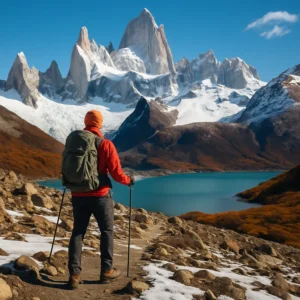
And yet, the scenery is staggering.
Storm clouds lift to reveal endless mountain valleys. You’ll pass ancient fortresses, deserted outposts from centuries past, and yak herder huts that feel like time capsules. This isn’t a well-known route for trail running. But it should be.
If you can deal with the mud.
Altitude Isn’t Just a Challenge, It’s a Threat
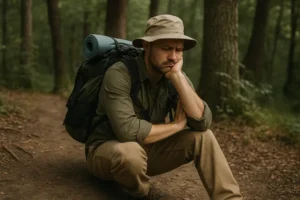
By day three, altitude sickness kicked in. Hard.
One of the members began stumbling, losing balance after just a few steps. He was experienced. Had done high-altitude work before. But this wasn’t a minor headache, it was the start of acute mountain sickness (AMS). And the clock started ticking.
No one wants to call for a helicopter in Bhutan. It’s expensive. It’s difficult. But when the symptoms escalate, dizziness, cough, fatigue, confusion, you don’t have a choice.
This was a turning point.
Plans changed. Priorities shifted. The question was no longer “can we break a record?” but “can we get everyone home safely?”
He was evacuated. Diagnosed with pulmonary edema, fluid in the lungs. Had he stayed longer at altitude, the result could’ve been fatal.
Horses Set the Pace
The Snowman Trek depends on horses. Not for riding, but for logistics. They carry the tents, food, gear, and supplies. Without them, you’d have to carry 40+ pounds of gear at altitude. That’s not sustainable for a long, fast-paced effort.
But horses also limit you.
They don’t go more than 5–6 miles per day. They need grass, water, and careful pacing. If one horse goes down, the whole expedition grinds to a halt.
So when the push for faster days began, the resistance followed.
Horsemen refused to skip rest points. They weren’t being difficult, they were protecting their animals and livelihoods. A single injured horse can mean financial disaster. No one wanted to take that risk for a foreigner’s goal.
Negotiations became daily rituals. Each night, a meeting. Every day, a compromise.
What It Means to Move Together
At a certain point, the team realized: this wasn’t just about the finish line. It was about collaboration. The fastest people had to slow down. The cautious guides had to speed up. Everyone had to meet in the middle.
And slowly, something shifted.
The locals began to believe. Not because of the pace, but because of the respect shown. The athletes weren’t just tourists, they were committed. Willing to carry gear, willing to adapt, and willing to work.
The team finished in just over 15 days. A record.
But more importantly, they finished together.
What You Can Learn If You Want to Do It
If you’re serious about hiking The Snowman Trek, here’s what you need to know:
1. Prepare for Altitude
Start training your lungs long before your trip. Do multi-day hikes at altitude (14,000 ft+ if possible). Understand the signs of AMS and know when to descend.
2. Go With a Local Guide
This is not optional, Bhutan requires it. But choose a guide or agency who understands your goals. If you’re trying for a faster pace, communicate clearly in advance.
3. Train with Weight
Even if horses carry your gear, there may be times you need to carry extra weight. Train with 10–20 lb packs on steep terrain. And do it wet.
4. Get Comfortable Being Wet
Your feet will be soaked for days. Invest in proper waterproof layers, fast-drying socks, and solid camp shoes. Forget pristine conditions. Embrace the mess.
5. Respect the Culture
This isn’t a solo effort. You’ll be depending on people. Bhutanese traditions matter, adapt to their pace when needed. Understand that trekking here is still a sacred experience, not just a personal challenge.
6. Expect the Unexpected
Storms will hit. Rivers will swell. Horses may stop. Be flexible. The trek will change you more than you change the trail.
Final Thoughts: Why Attempt the Snowman Trek?
Because it’s rare. It’s real. And it doesn’t bend to your schedule.
The Snowman Trek is more than a hike. It’s a test of leadership, patience, cultural understanding, and endurance. It’s a place where physical strength matters, but emotional resilience matters more.
And if you’re lucky? You won’t just walk away with a finish. You’ll walk away transformed.
FAQs
The Snowman Trek is a 189-mile high-altitude trail in Bhutan, crossing 11 passes above 16,000 feet. It’s considered one of the hardest treks in the world due to its elevation, remoteness, and extreme weather.
Most people take 25 to 30 days to finish the trek. A team featured in the story completed it in just over 15 days—an unprecedented pace.
Bhutan requires all foreign trekkers to be accompanied by licensed local guides and a support crew. This ensures safety, protects local ecosystems, and respects cultural customs.
The combination of high altitude, constant elevation change, unpredictable weather, and poor trail conditions (mud, river crossings, and snow) makes it extremely demanding. Altitude sickness is also a major risk.
Technically yes, but it’s very difficult. The terrain is often too wet, steep, or muddy for running shoes, and support logistics with horses limit fast movement.
Immediate descent is necessary, and in severe cases, helicopter evacuation may be required. One team member developed pulmonary edema and had to be airlifted out for treatment.
Yes, but only with proper preparation, altitude training, and teamwork. Faster completion depends on guide cooperation, safe conditions, and flexibility with daily plans.