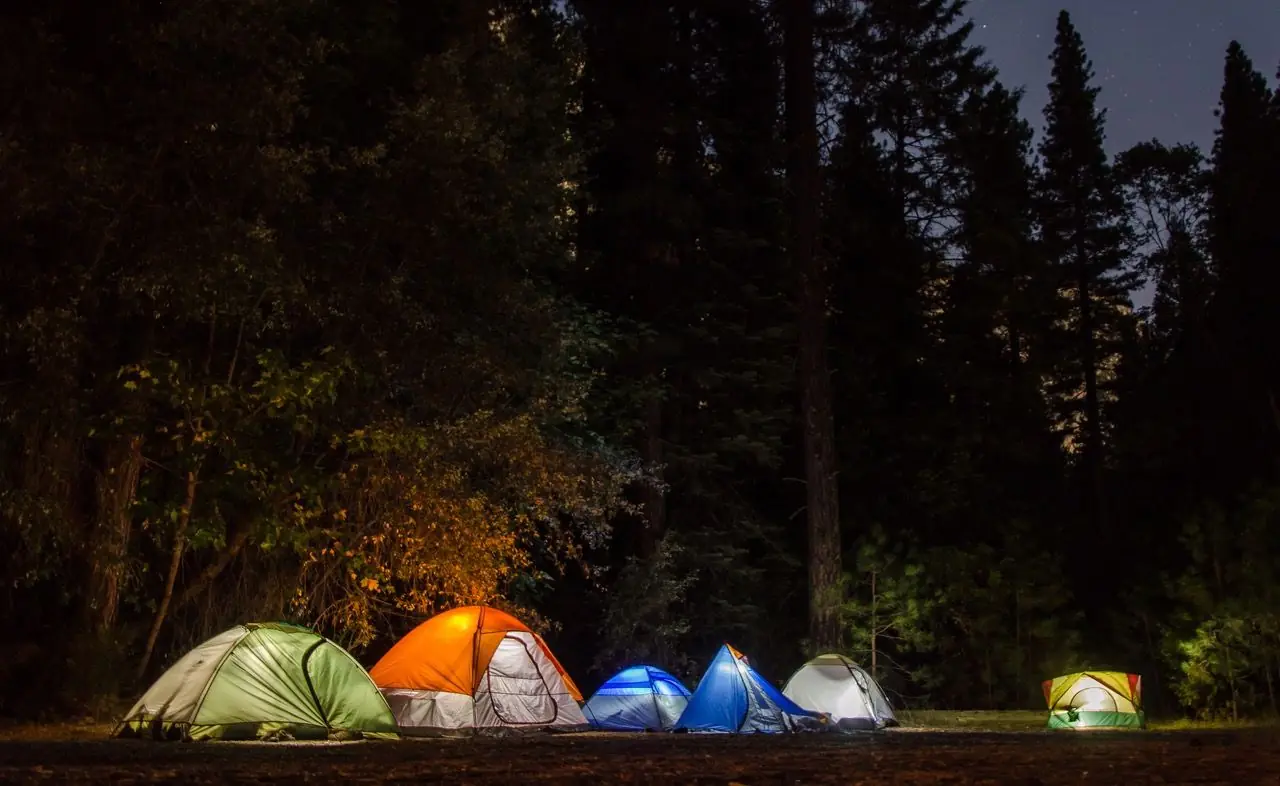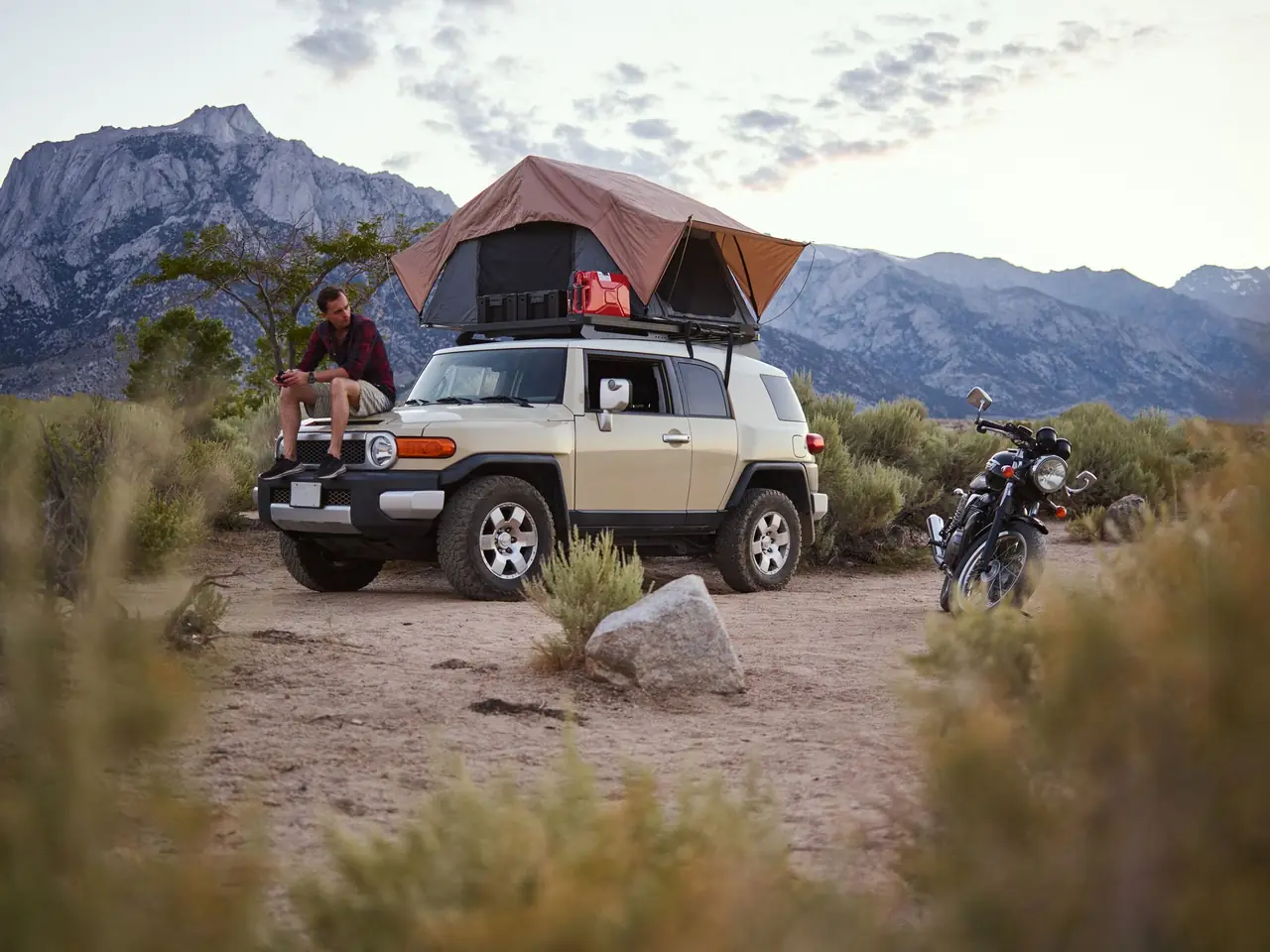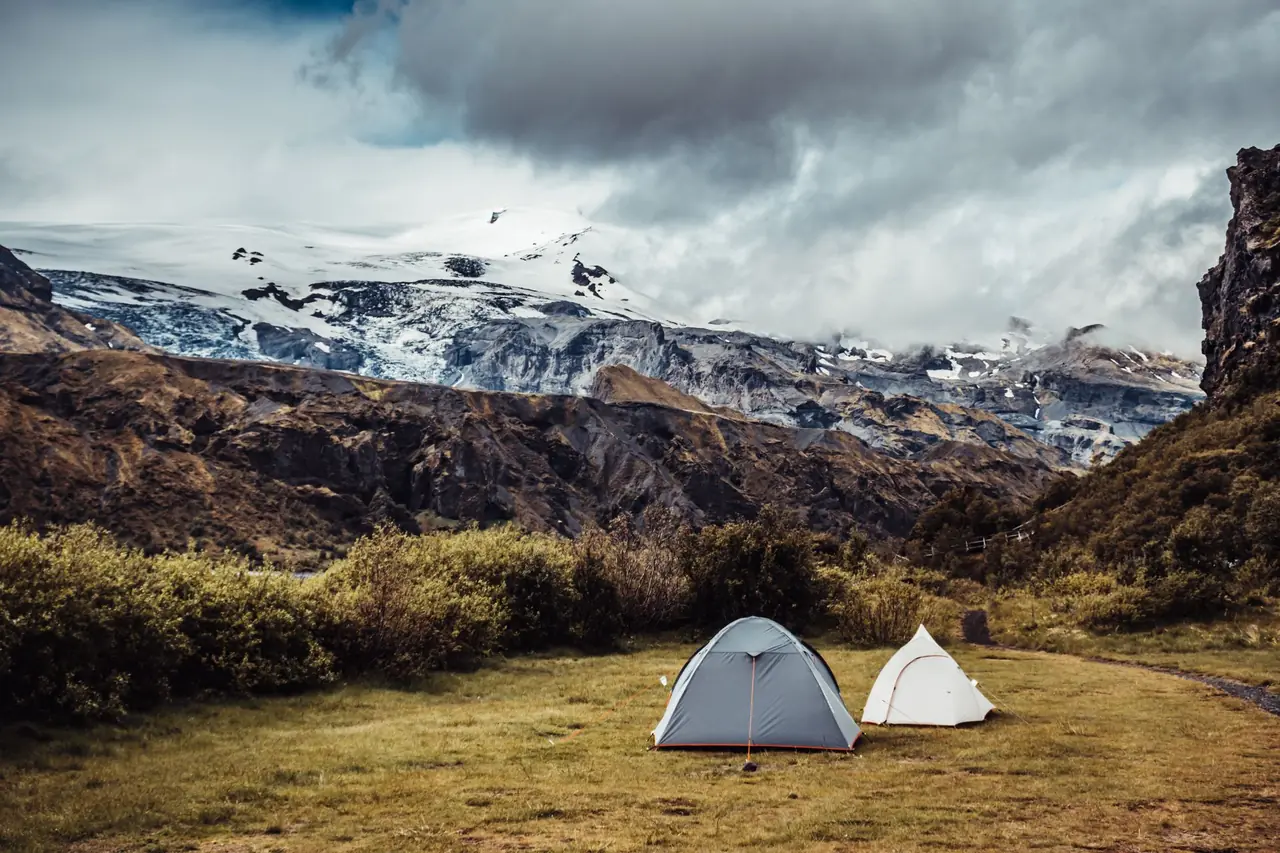
For a national park trip, camping gear is usually rented in one of four places: an REI store that offers rentals in a nearby city, an outfitter in the park's gateway town, an online rental service that ships to your home or lodging, or a university outdoor program if you're a student. Book as soon as you have a campsite or permit, set up the tent and test the stove before you drive in, and check the park's food storage rules on nps.gov, since some parks require bear canisters in the backcountry.
Where rental options typically exist
| Option | How it works | Best for | Limitations |
|---|---|---|---|
| REI rentals | Reserve online or in person and pick up at a participating store | Road trips that pass through a city with a participating store | Only select stores rent; inventory and items vary by location |
| Gateway-town outfitters | Local shops just outside the park rent gear by the day | Specialized local gear (Narrows drysuits, bear canisters, snowshoes) and last-minute needs | Small inventories; full camping kits not always available |
| Online rental services | Gear ships to your home, hotel or a pickup point, with a prepaid return label | Fly-in trips and remote parks without nearby shops | Shipping windows, delivery risk, less chance to swap a bad fit |
| University outdoor programs | Campus gear rooms rent to students and sometimes staff or community members | Students and university towns | Eligibility rules; plan pickup around campus hours |
| Park stores and visitor centers | Some parks rent or loan bear canisters; a few concessioners sell basic gear | Canisters and forgotten small items | Not a source for full camping kits |
For a fuller comparison of rental types and how to price them, see our guide to renting camping gear.
Gateway towns to know
Most popular parks have a town at the entrance where outfitters, guide services and grocery stores cluster: Springdale for Zion, Moab for Arches, Estes Park for Rocky Mountain, Jackson for Grand Teton, West Yellowstone and Gardiner for Yellowstone, Gatlinburg for the Great Smokies. What each shop rents changes, so call ahead and ask specifically about tents, sleeping bags and canisters rather than assuming.
When to book
- Book after your campsite or permit is confirmed. Campsites and wilderness permits at popular parks are often reserved through recreation.gov on release days and fill quickly. Secure those first; rentals are easier to find than campsites.
- Peak season (summer and holiday weekends): reserve gear several weeks ahead. Family-size tents, long sleeping bags and plus-size items run out first.
- Shipped rentals: schedule delivery at least two to three days before departure so you can inspect and set up the gear at home, with time to get a replacement if something is missing.
- Returns: know the return deadline and method before you go. If you're traveling between parks, confirm you can drop shipped gear at a carrier location on your route.
Match the gear to the park and season
A rental kit is only as good as its fit to the conditions. Ask these before you book:
- How cold will nights get? High campgrounds can drop near freezing even in summer. Yellowstone, Rocky Mountain and Grand Teton campgrounds sit at roughly 6,000–9,500 feet, and summer lows in the 30s°F are common. Rent a bag rated for your expected low, not the daytime high. Our park pages, such as Yellowstone, show typical monthly temperatures, and the Sleeping Bag & Pad Temperature Guide turns a forecast low into a bag rating.
- Wind and rain? Coastal and mountain parks need a tent with a full rain fly and solid stakes. Desert parks need stakes that hold in sand, plus shade.
- Car camping or backpacking? Car camping kits prioritize space and comfort; backpacking kits need light weight and compact packing. Don't take a heavy car camping tent on a backcountry permit.
- Tent pad size. Some campgrounds have small tent pads. Check the campsite details on recreation.gov before renting a very large tent.
Bear canisters and food storage rules
Food storage rules are the park-specific detail most likely to change what you need to rent.
- Yosemite: bear-resistant canisters are required for overnight trips in Yosemite's wilderness, and developed campgrounds provide food lockers that you're required to use. See our Yosemite guide.
- Sequoia and Kings Canyon: canisters are required in parts of the backcountry; other areas have food storage boxes at some sites. See our Sequoia guide.
- Other bear-country parks such as Grand Teton, Rocky Mountain, Glacier, Yellowstone and the Great Smokies each have their own rules for canisters, food lockers, hanging food or storage poles.
Rules, approved container lists and the areas they apply to are set by each park and can change. Always read the food storage page for your specific park on nps.gov before you rent, and ask at the wilderness center when you pick up your permit. Some parks rent or loan canisters at permit offices, and gateway outfitters often have them.
What to check when you pick up (or when the box arrives)
- Count everything against the packing list: tent body, rain fly, poles, stakes, guylines, footprint if included.
- Set up the tent completely. Check poles for cracks or bent sections, zippers on doors and fly, and the floor and fly for holes or failed seam tape.
- Inflate pads and leave them for 30 minutes to check for slow leaks. Make sure a repair kit is included.
- Check sleeping bags for working zippers, clean condition and the temperature rating you asked for.
- Test the stove with a fuel canister (buy fuel locally; it can't be shipped with most rentals or flown). Check the igniter, or bring a lighter.
- Check the pack size against your torso length and adjust it while you're still at the shop.
- Photograph any existing damage and message the rental company before you leave, so you aren't charged for it.
- Confirm the return process: deadline, cleaning expectations (dry the tent, empty the cooler, remove trash) and any late fees.
Rentals usually don't include personal items. Bring your own headlamp, toiletries, first-aid kit, water bottles, layers and lighter. Build the list with the Packing List Generator.
Flying with gear vs renting at your destination
If you fly, renting at your destination avoids checked-bag fees and hauling bulky gear through airports. If you bring your own, these TSA rules matter most (check the TSA "What Can I Bring?" list for current details):
- Fuel canisters (isobutane, white gas) aren't allowed in carry-on or checked bags. Buy fuel at your destination.
- Camp stoves are allowed only if completely free of fuel and fuel vapor. Many travelers ship stoves or rent at the destination to avoid problems.
- Trekking poles, tent stakes and knives belong in checked luggage.
- Spare lithium batteries and power banks must go in your carry-on, not checked bags.
- Bear spray isn't allowed on commercial flights in either bag.
A common hybrid for fly-in trips: carry on your sleeping bag, pad, clothing and headlamp (the personal items you'd rather own), and rent the tent, stove and cooler near the park.
Park-specific considerations
- Zion: outfitters in Springdale commonly rent gear for The Narrows (canyoneering shoes, neoprene socks, walking sticks, and drysuits in cold months). Check flow and flash-flood conditions with the park before hiking.
- Yosemite: wilderness permits and canister rules apply to backpacking; campground reservations are very competitive in summer. Rent gear in a Central Valley or Bay Area city on your drive in if you can't find it closer.
- Grand Teton and Yellowstone: cold nights at elevation; bring or rent warmer bags than you'd expect for July. Bear spray is widely recommended for hiking in both parks.
- Desert parks (Joshua Tree, Arches, Death Valley): wind is the main gear test. Rent a sturdy tent with a full set of stakes, plus shade and extra water containers.
- Great Smokies and Olympic: rain is likely; check that the rental tent's fly and floor are in good shape, and pack rain gear.
Not sure whether to rent or buy for a recurring park trip? See which camping gear to rent vs buy. First time camping? Start with Camping 101.
Frequently asked questions
Can you rent camping gear inside national parks?
Usually not much. A few parks have stores that sell or rent limited gear, and some rent or loan bear canisters, but most full camping rentals are in gateway towns outside the park, at REI stores in nearby cities, or from online services that ship to you.
How far in advance should I rent camping gear for a national park trip?
For summer trips to popular parks, reserve as soon as you have your campsite or permit, often several weeks ahead. For shipped rentals, plan for delivery a few days before you leave so you can check the gear.
Do I need a bear canister in national parks?
Some parks require approved bear-resistant containers for overnight backcountry trips, including Yosemite's wilderness and parts of the Sequoia and Kings Canyon backcountry. Developed campgrounds in bear country usually provide food lockers. Check the specific park's food storage rules on nps.gov.
Can I fly with camping gear?
Yes, most of it. Tents, sleeping bags and pads can be checked or carried on. Fuel canisters are not allowed in any bag, stoves must be completely free of fuel, trekking poles and tent stakes should go in checked luggage, and spare lithium batteries and power banks must be in your carry-on. Check TSA's current rules before you pack.