Car camping essentials come down to five groups: a warm, comfortable place to sleep, a simple kitchen, a camp setup for light and shelter, safety and first aid, and a few vehicle supplies so a dead battery doesn't end your trip. Because you're not carrying it on your back, you can bring heavier and more comfortable gear than backpackers do, but a checklist still matters: the most common trip-ruiners are a forgotten lighter, a pad that's too thin and not enough water.
Sleep system
A good night's sleep makes or breaks a car camping trip, and it's where spending a little more pays off.
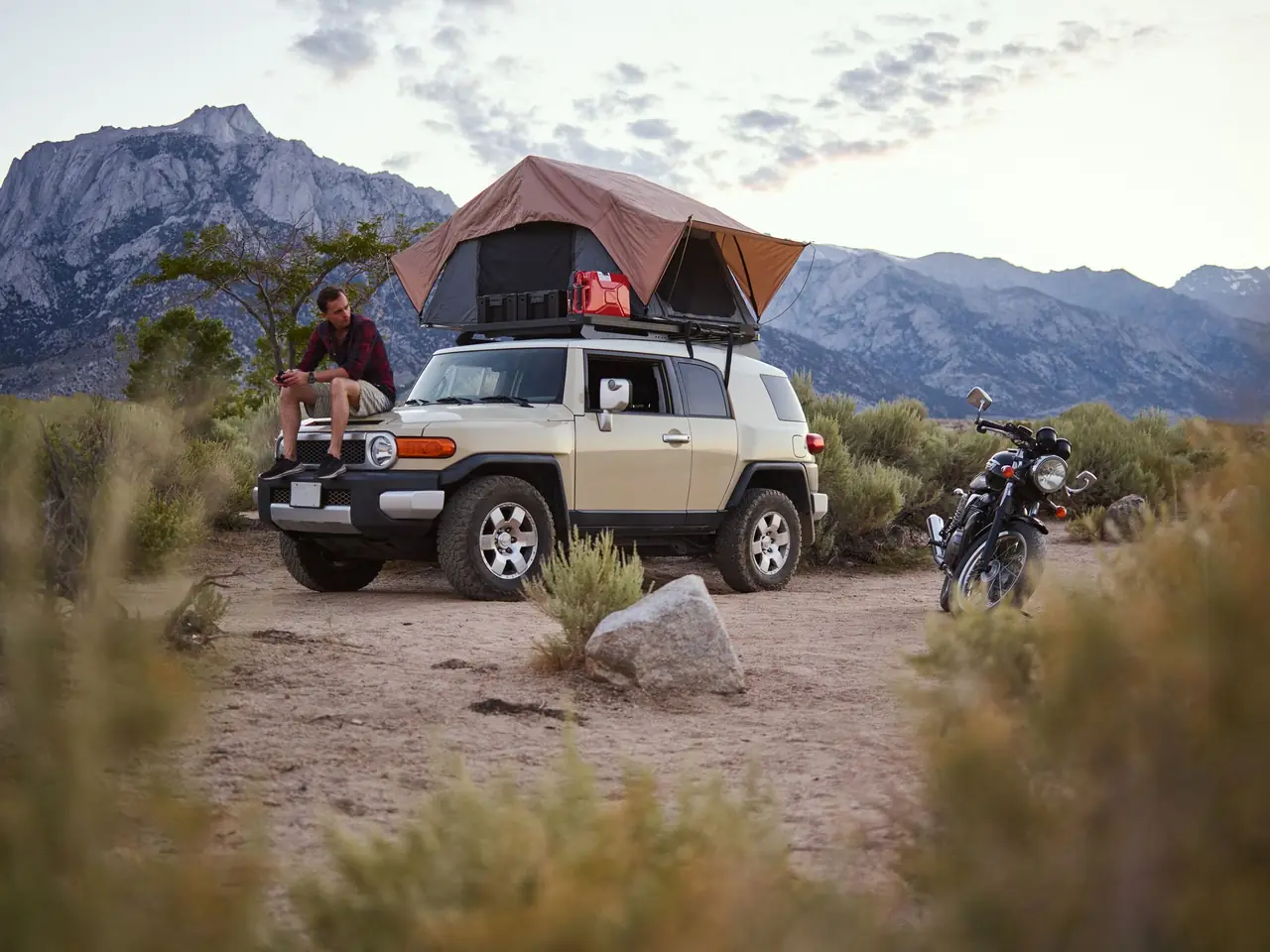
- Tent with rainfly, stakes and a footprint or ground tarp. A tent rated for one more person than you have gives room for bags. Or sleep in the vehicle: see the Honda CR-V camper guide for a setup that works in most small SUVs.
- Sleeping bag rated about 10°F below the lowest temperature you expect. Use the sleeping bag and pad temperature guide to match the rating to your trip.
- Sleeping pad with enough insulation (R-value) for the season. A thick self-inflating pad or a foam-plus-air combination is far warmer than a bare air mattress.
- Pillow: bring your pillow from home. There's no weight penalty.
- Extra blanket for cold nights or to sit around the fire.
- Earplugs and an eye mask for busy campgrounds and early sunrises.
Camp kitchen
Cooking
- Two-burner propane stove and enough fuel. A standard 1-pound propane canister lasts about an hour or two of cooking on high depending on the stove; bring a spare.
- Lighter and backup matches in a waterproof container (the single most commonly forgotten item).
- Pot, frying pan and a kettle or coffee maker.
- Cooking utensils: spatula, large spoon, tongs, sharp knife and small cutting board.
- Plates, bowls, mugs and cutlery for each person.
Food and water
- Cooler with ice or ice packs. Pre-chill it the night before, and keep drinks in a separate cooler so the food cooler stays closed.
- Water: at least 1 gallon (about 4 liters) per person per day for drinking and cooking, plus extra for dishes. A 5- to 7-gallon jug with a spigot is easier than many small bottles.
- Meals planned by day so you don't overpack. The camp meal planner estimates how much food your group needs.
- Coffee or tea, salt, pepper, oil and any spices you use.
Cleanup
- Collapsible wash basin or two (wash and rinse), biodegradable soap, a sponge and a quick-dry towel.
- Trash and recycling bags. Pack out everything if the campground has no bins.
- Paper towels and a few zip-top bags for leftovers.
Camp setup and comfort
- Camp chairs for everyone.
- Folding table if your site doesn't have a picnic table, or for a separate cooking area.
- Headlamp for each person, with spare batteries or a charged battery.
- Lantern for the table and tent.
- Tarp or canopy with cord, for shade and rain. A 10x10-foot tarp over the picnic table makes a wet trip bearable.
- Mallet for stakes in hard ground, plus a few spare stakes.
- Multi-tool or knife, and duct tape.
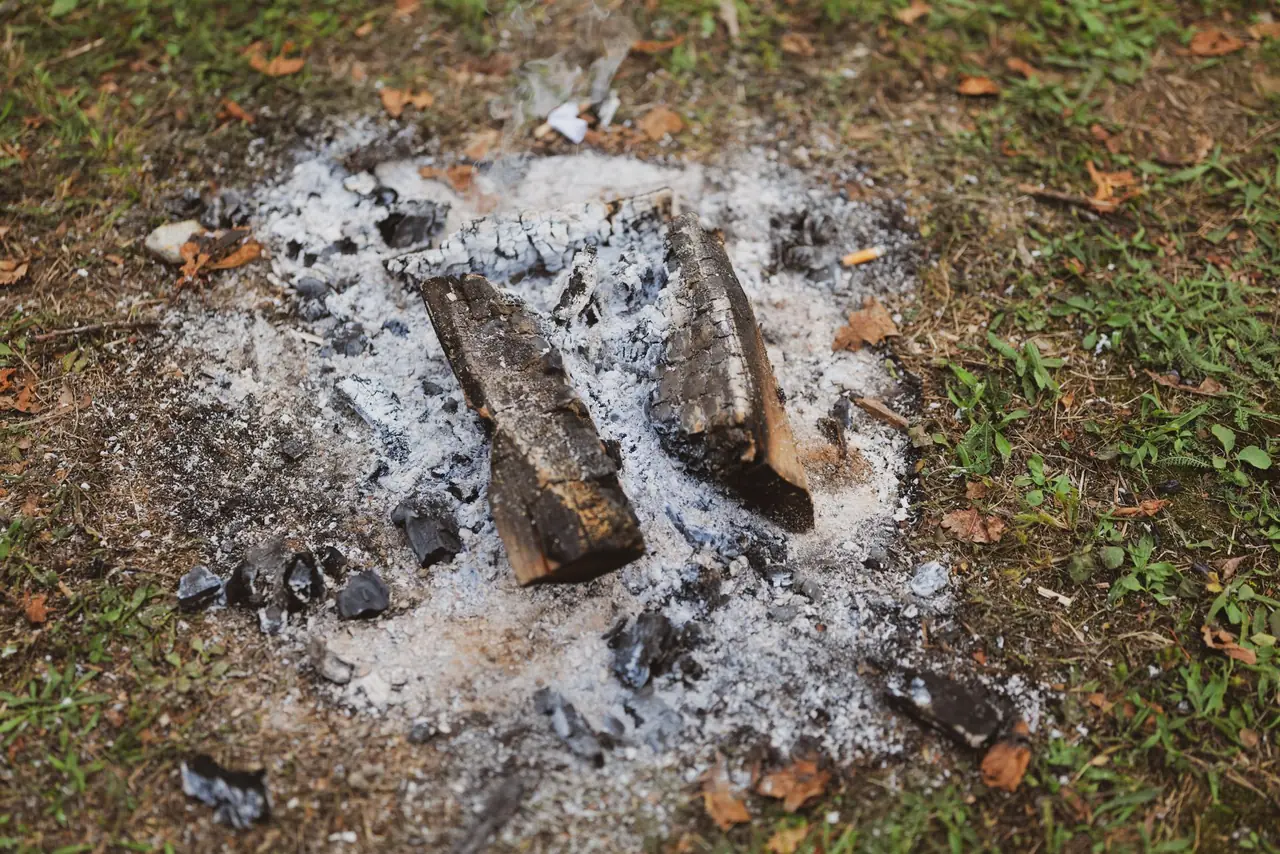
- Firewood bought locally (moving firewood spreads invasive insects, and many areas ban it), plus fire starters. Check fire restrictions before you go and know how to put out a campfire completely.
- Power bank or portable power station for phones and lights.
Clothing
- Rain jacket, even if the forecast is dry.
- An insulated layer and a warm hat; nights are often 20 to 30°F colder than daytime highs, especially in the desert and mountains.
- Camp shoes or sandals and a dry pair of socks for every day.
- Sun hat and sunglasses.
Hygiene
- Toothbrush, toothpaste and personal toiletries.
- Toilet paper and hand sanitizer.
- Biodegradable wipes for a quick clean-up.
- Sunscreen and insect repellent.
Safety and navigation
- First aid kit with bandages, blister care, pain relievers, antihistamines, tweezers for ticks and splinters, and any personal medications.
- Offline maps: download maps for your area before you lose signal. A paper map of the region is a good backup.
- Campsite reservation and permits, saved offline or printed.
- Whistle for each child, and a plan for what to do if someone gets separated. See what to do if you get lost in the woods.
- Weather check: look at the forecast for the campsite itself, not the nearest town, using the trail weather forecast.
- Fire extinguisher (a small vehicle-rated one) if you'll be cooking a lot.
Vehicle essentials
Many campsites are at the end of long gravel roads with no cell service, so your car is part of your safety gear.
- Spare tire checked for pressure, plus the jack and lug wrench. Know how to use them.
- Jumper cables or a portable jump starter. Running lights and chargers off the car battery overnight is the most common way to get stranded.
- Tire pressure gauge and a small 12V air compressor if you'll drive on dirt roads.
- Full tank of gas before you leave the last town.
- Extra water beyond your camp supply, in case you're stuck.
- Small shovel for digging out of sand, mud or snow.
- Paper towels and a trash bag for the drive home.
If you sleep in the vehicle
- Sleeping pad or SUV mattress sized to your cargo floor.
- Window covers for privacy and mesh screens so you can crack the windows for airflow.
- A battery-powered carbon monoxide alarm.
- Bins to move gear to the front seats at night.
The CR-V camper guide covers measuring your cargo space, ventilation, condensation and where sleeping in your car is legal.
Commonly forgotten items
| Forgotten item | Why it matters |
|---|---|
| Lighter / matches | No stove, no fire, no hot food |
| Can opener / bottle opener | Most canned food still needs one |
| Stove fuel | Stoves usually come without it |
| Tent stakes and poles | Easy to leave behind after drying the tent at home |
| Headlamp batteries | Dead light on the first night |
| Trash bags | Many sites require you to pack out trash |
| Warm layer | Mountain and desert nights get cold fast |
How to pack the car
- Use bins by category: kitchen, sleep, camp, clothes. It's faster to find things and to pack up.
- Load in reverse order: things you'll need last (sleeping bags) go in first; things you need on arrival (tent, chairs, water) go in last, near the hatch.
- Keep heavy items low and forward so they don't shift or become dangerous in a sudden stop.
- Leave a "day bag" in the front seat with snacks, water, sunscreen, maps and a layer.
- Keep a permanent camping bin stocked with the small stuff (lighter, utensils, headlamps, first aid) so most of your checklist is already packed for the next trip.
Not ready to buy everything? Our guide to what to rent vs buy breaks down which gear makes sense to rent for your first few trips.
Frequently asked questions
What do I need for car camping?
A tent or a way to sleep in your vehicle, a sleeping bag rated for the expected low, a sleeping pad, a stove and fuel, a cooler, water, lighting, layers and rain gear, a first aid kit, and basic vehicle supplies like a spare tire and jumper cables or a jump starter.
What is the most overlooked car camping item?
A good sleeping pad. Most cold, uncomfortable nights come from a thin pad or a bare air mattress, not from the sleeping bag. Bring an insulated pad, or add a foam pad under an air mattress when nights drop below about 50 degrees F.
How much water should I bring car camping?
Plan on at least 1 gallon per person per day for drinking and cooking, more in hot weather or if there is no water at the campsite. Bring extra for washing dishes.
Can you sleep in your car instead of a tent?
Yes. Many SUVs and wagons have room to sleep with the rear seats folded. You'll need a pad or mattress, ventilation through cracked windows with mesh screens, and window covers for privacy.