When you’re gearing up for a camping trip or hostel stay, the sleeping bag liner is probably not the first thing on your packing list. But here’s the thing—once you use one, you’ll wonder how you ever traveled without it. A sleeping bag liner isn’t just a piece of fabric. It’s comfort, warmth, cleanliness, and versatility rolled into one lightweight package.
Let’s dive into why this underrated item deserves a permanent spot in your outdoor kit.
What is a sleeping bag liner?
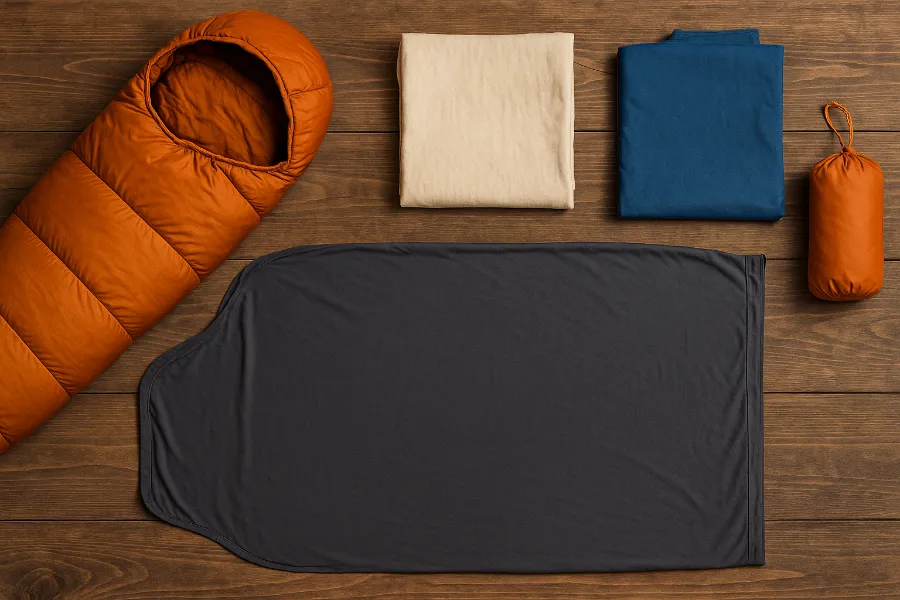
A sleeping bag liner is essentially a thin sheet of fabric designed to fit inside your sleeping bag—or used on its own in warmer climates. Think of it as a protective barrier between you and your bag (or hostel sheets). They come in mummy shapes (tapered to fit inside a mummy-style sleeping bag) and rectangular shapes (also called travel sheets), which can be used independently.
Benefits of using a sleeping bag liner
Cleanliness and hygiene
Your sleeping bag is expensive and often tricky to wash. A liner takes on the brunt of sweat, oils, and dirt. After your trip, you just toss the liner in the wash—much easier than cleaning a down-filled bag. In hostels or budget hotels, it also acts as a hygienic layer between you and questionable bedding.
Extra warmth in cold weather
A liner can add anywhere from 5°F to 25°F of warmth, depending on the material. For winter campers, this is a game-changer. Instead of buying a bulky, specialized cold-weather sleeping bag, you can extend the use of your three-season bag with a thermal liner.
Cooling option in hot weather
On summer nights, zipping into your sleeping bag can feel stifling. Enter the liner. Use it on its own, and you’ll stay covered without overheating. Some travelers even dampen their liner slightly on scorching nights for evaporative cooling.
Comfort for better sleep
Silk, cotton, or fleece liners can make your bag feel more like a bed at home. They’re softer against your skin and help regulate temperature, so you don’t wake up sweaty or chilled.
Protection while traveling
Many hostels in Europe and Asia require guests to bring their own liner or travel sheet. Not only does this keep you safe from bedbugs or less-than-clean sheets, but it also ensures you always have your own fresh bedding.
Types of sleeping bag liners
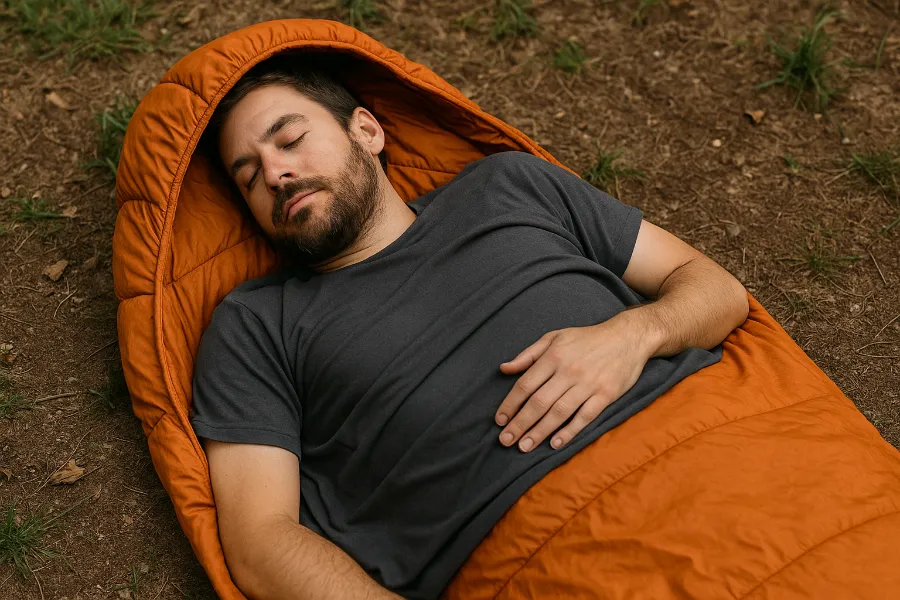
By shape
- Mummy-shaped: Narrower at the feet and designed to slip into a mummy sleeping bag. Great for backpackers who want a snug fit and less weight.
- Rectangular (travel sheets): Provide more wiggle room and can double as a standalone sheet in hostels or huts.
By material
Silk
- Lightweight, compact, insulating yet breathable.
- Ideal for ultralight backpacking.
- Downsides: Expensive, can retain moisture.
Cotton
- Strong, durable, breathable.
- Affordable but heavier and slower to dry.
- Best for budget travelers and hostels.
Fleece & Microfleece
- Add significant warmth (up to 12°F).
- Soft, moisture-wicking, but bulky.
- Perfect for car camping and cold-weather trips.
Synthetic (CoolMax®, Thermolite®)
- Moisture-wicking, breathable, fast-drying.
- Great for humid climates and restless sleepers.
- Thermolite can add up to 25°F of warmth.
Wool & Alpaca
- Naturally insulating and odor-resistant.
- Warm even when wet.
- Typically heavier and pricier.
Special features
Some liners come with built-in insect shield to keep mosquitoes and ticks at bay. Others have stretchy fabric for comfort, hoods for mummy bags, or pillow pockets for hostel use.
How to choose the right sleeping bag liner
When shopping for a sleeping bag liner, ask yourself a few key questions:
- What climate will I use it in? If it’s for summer camping, go with silk or CoolMax®. For winter, opt for fleece or Thermolite.
- What’s my sleeping bag style? Mummy liners fit snugly inside tapered bags, while rectangular liners are more versatile.
- How much weight can I carry? Backpackers should go lightweight (silk or synthetic). Car campers can afford bulkier fleece.
- What’s my comfort vs. durability need? Cotton is durable but heavier, silk is luxurious but fragile, and synthetics strike a balance.
- What’s my budget? Liners range from $20 to $200. Typically, you get what you pay for in warmth, weight, and longevity.
FAQs about sleeping bag liners
Do sleeping bag liners really add warmth?
Yes—but the amount depends on the material. A fleece liner might add 12°F, while a Thermolite Reactor Extreme can boost warmth by 25°F.
Can you use one by itself?
Absolutely. In hot climates, a liner can replace your sleeping bag altogether, keeping you cool yet covered.
Are they worth carrying for backpacking?
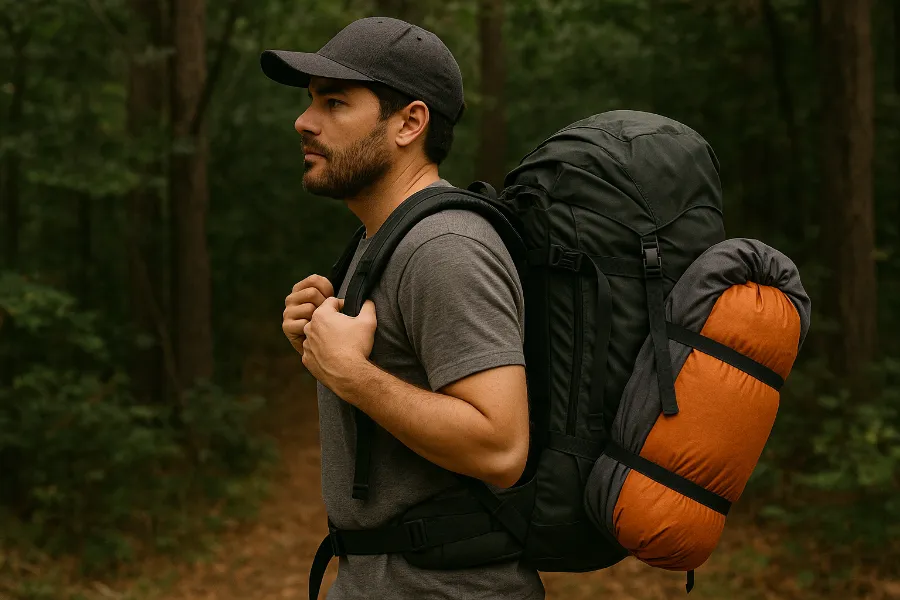
Yes, especially if you want to extend the life of your sleeping bag and reduce how often you need to wash it. Ultralight silk or CoolMax® liners barely add weight but make a big difference.
How do you wash and care for them?
Most liners can go in a washing machine on a gentle cycle. Air-dry to maintain fabric integrity. Silk liners should be washed in cold water with mild detergent.
Conclusion
A sleeping bag liner may not be flashy, but it’s one of the most practical pieces of gear you can own. Whether you’re braving alpine nights, sweating through humid hostel stays, or just protecting your sleeping bag investment, a liner delivers. It’s lightweight, versatile, and essential for comfort on the go.
If you haven’t already, add a liner to your gear list. Your future self—warm, clean, and well-rested—will thank you.