If you’re searching for a place where rugged history collides with breathtaking coastal beauty, look no further than Fort Stevens Campground. Nestled on Oregon’s northwestern tip, near Astoria, this state park campground is more than just a place to pitch your tent or park your RV—it’s a destination packed with stories, outdoor adventures, and Pacific Northwest charm. Whether you’re in a van, tent, yurt, or cabin, Fort Stevens has something to offer. Let’s dive into what makes it one of the most popular camping destinations in the state.
Camping at Fort Stevens Campground
A Massive Campground With Choices for Everyone
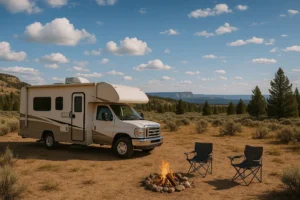
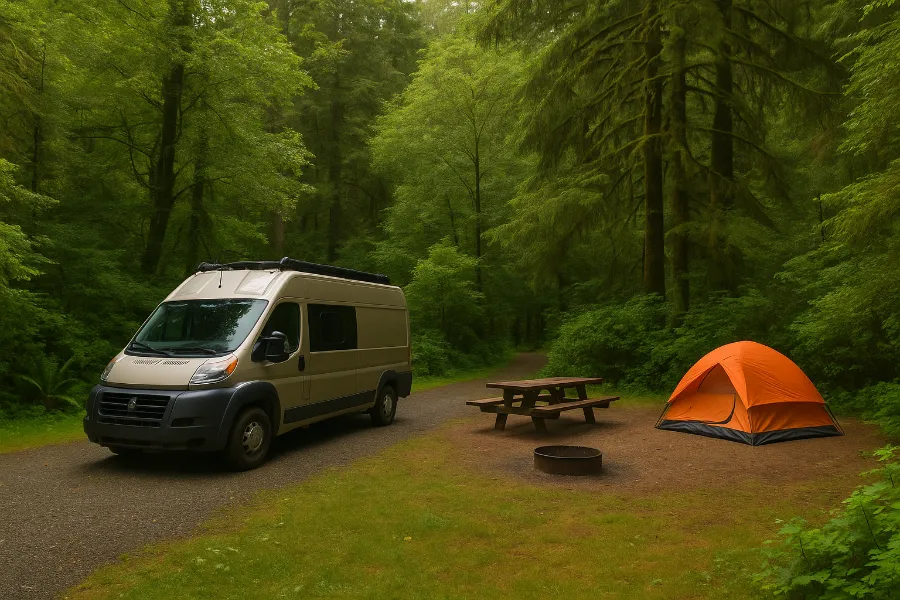
Fort Stevens Campground isn’t your average state park campground. With over 480 campsites, it’s one of the largest public campgrounds in the United States. You’ll find:
- 174 full-hookup sites (with sewer, water, and electricity)
- 302 electric/water hookup sites
- 6 tent-only sites
- 15 yurts (7 are pet-friendly)
- 11 deluxe cabins (5 are pet-friendly)
- 9 hike-in primitive campsites
- A hiker/biker camp for those traveling without vehicles
All sites come with picnic tables and fire pits, and the campground includes flush toilets, hot showers, and an RV dump station. Campsites book quickly, especially during summer, so reservations are strongly recommended up to six months in advance.
Tips for Picking the Best Campsite
If privacy matters to you, campers recommend the north loops. These tend to be closer to Coffenbury Lake and more tucked away with natural foliage barriers between sites. The south loops are undergoing infrastructure upgrades, but once reopened, they’ll feature updated utilities and even a new tent loop.
Pet owners will appreciate the pet-friendly yurts and cabins, while solo travelers and couples often enjoy the quieter hike-in sites.
Adventures Within the Park
One of the best parts of staying at Fort Stevens Campground is that you don’t need to leave the park to fill your itinerary.
Coffenbury Lake
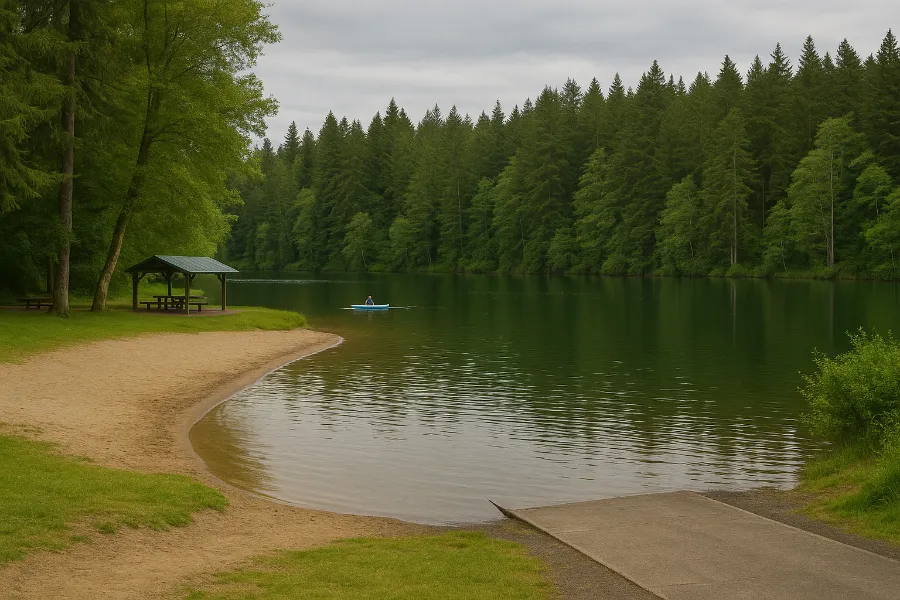
Just a short walk from many of the campsites, Coffenbury Lake is a coastal gem. This mile-long freshwater lake has:
- Two sandy swimming areas
- Picnic shelters with tables
- A boat launch for kayaking, canoeing, or paddleboarding
- A 2-mile trail circling the lake
On any given day, you might see herons, osprey, or even bald eagles circling overhead. In summer, rangers often lead kayak tours—a great way to get on the water with a guide who knows the area’s ecology.
Ocean Beach & the Peter Iredale Shipwreck
One of the most iconic landmarks near Fort Stevens Campground is the Peter Iredale shipwreck. This four-masted steel sailing vessel ran aground in 1906, and its rusting remains are still embedded in the sand. It’s an irresistible spot for photographers and families alike.
The beach itself stretches for miles, offering space for kite flying, sandcastle building, or just long reflective walks along the Pacific. In some sections, cars are allowed on the sand, so keep an eye out while exploring.
Hiking and Biking Trails
Fort Stevens boasts 15 miles of multi-use trails weaving through lush coastal forest, sand dunes, lakes, and meadows. The paved paths make biking easy, even for families with younger kids. Keep your eyes peeled—you’re likely to spot Roosevelt elk grazing in tall grass or deer darting into the woods.
Disc Golf and More
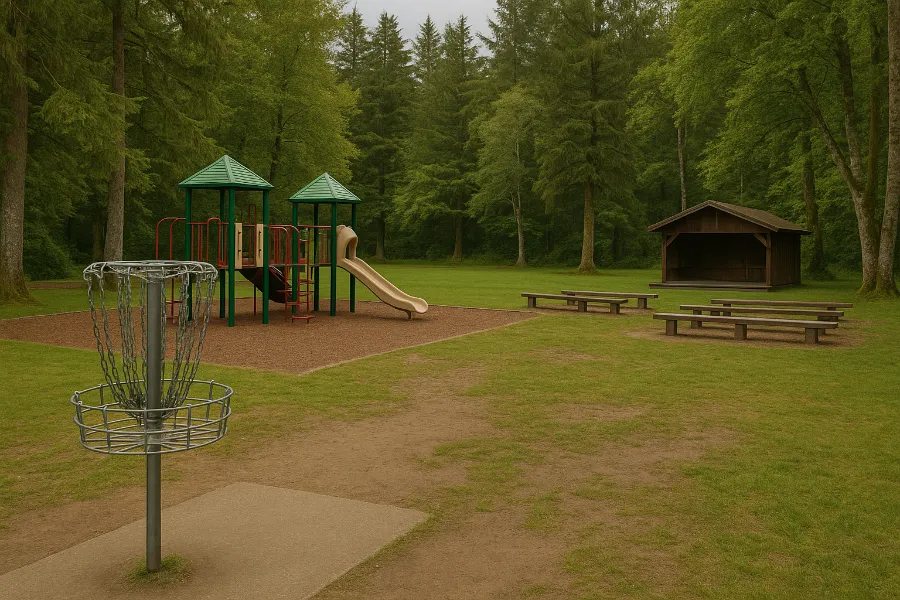
Unique for a campground, Fort Stevens even features a disc golf course near the historic fort. If you’re traveling with kids, there’s also a playground and an amphitheater that hosts ranger talks and summer programs.
History at Your Campsite’s Doorstep
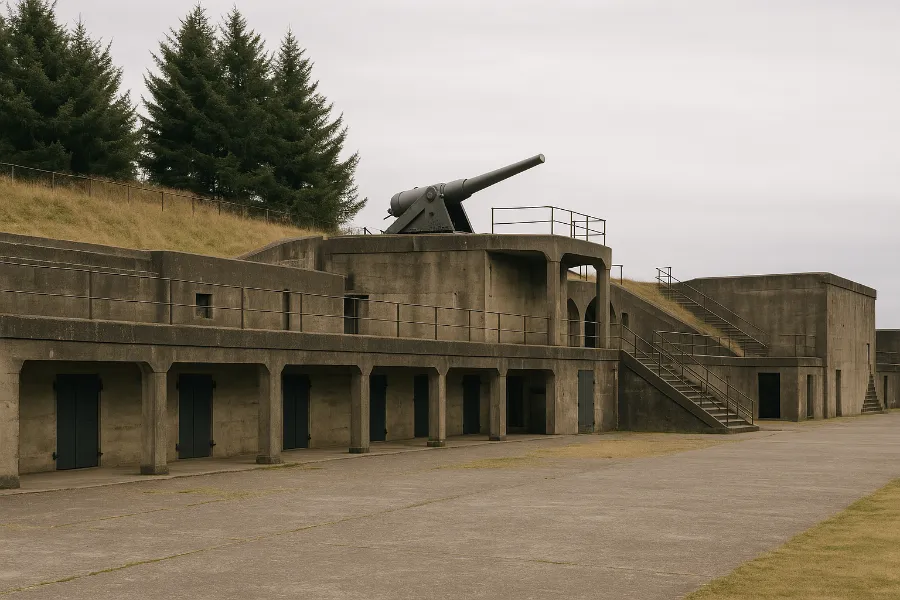
Fort Stevens isn’t just a campground—it’s a historic military site dating back to the Civil War. Built in 1865 to protect the mouth of the Columbia River, it was later manned during the Spanish-American War, World War I, and World War II.
In fact, Fort Stevens holds a unique distinction: it’s the only U.S. military installation attacked by an enemy since the War of 1812. In June 1942, a Japanese submarine fired on the fort. No damage occurred, but the event secured Fort Stevens’ place in history.
Campers today can tour the preserved earthen fort, concrete artillery batteries, and bunkers. The on-site military museum offers year-round exhibits, and in summer you can join underground tours of a WWII command center. Walking through the ruins of Battery Russell or peering down stairwells where cannons were once loaded makes history feel tangible.
Wildlife Encounters
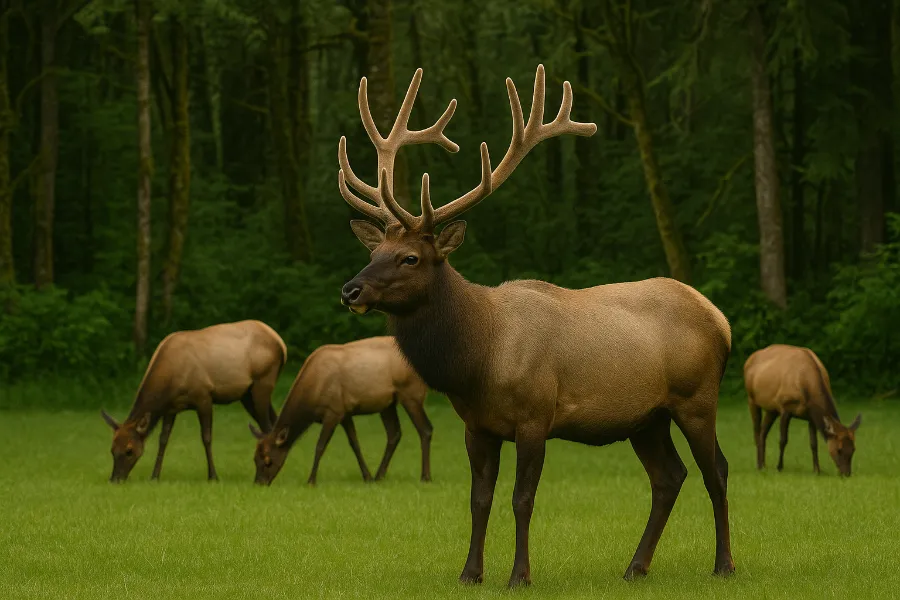
The campground is a hotspot for wildlife viewing. Roosevelt elk are often seen in herds, especially in meadows and near the campground loops. Birders love the South Jetty area, where pelicans, ospreys, and migratory waterfowl frequent. And at dusk, don’t be surprised to spot coyotes trotting along the edges of the forest.
If you’re walking at night, bring a flashlight—slugs the size of small sausages are a common sight on trails.
Beyond the Campground: Nearby Attractions
Astoria
Just a 15-minute drive from the campground lies Astoria, a town with a San Francisco vibe—Victorian homes perched on hillsides overlooking the Columbia River. While in town, you can:
- Visit the Columbia River Maritime Museum
- Tour the historic Flavel House Museum
- Browse thrift shops and bookstores
- Grab lunch at a food cart pod
- Walk along the waterfront, where sea lions often bark from the docks
Astoria is also known for Pride events in June, reflecting its inclusive community spirit.
South Jetty & Columbia River Views
The South Jetty is a massive engineering project extending into the Pacific. It’s a favorite spot for wave watching, birding, and scanning the horizon for surfers. On clear days, you can see across the river to Cape Disappointment State Park in Washington.
Do note: construction continues on parts of the jetty and river mouth area through 2024, limiting some access.
Practical Tips for Your Trip
- Directions: From Portland, take Highway 26 west to US-101 north. The drive takes about two hours.
- Weather: Rain is common year-round. Bring rain gear and waterproof shoes, even in summer.
- Fees: A day-use permit ($5) is required for visitors not camping overnight. Starting October 2025, Fort Stevens will expand parking permits to all day-use lots.
- Accessibility: The park is highly accessible, with 8 cabins and 10 yurts designed for campers with disabilities. Trails and restrooms also include accessible options.
- Pets: Allowed in campsites and pet-friendly yurts/cabins, but must be leashed.
- Seasonal Events: Ranger-led mushroom walks, birding tours, and history talks run from spring through fall.
Why Fort Stevens Campground Belongs on Your List
Few campgrounds blend history, nature, and family-friendly activities as seamlessly as Fort Stevens Campground. One day you might paddle Coffenbury Lake, the next explore a shipwreck, and the next wander through a Civil War-era fort. Add in the proximity to Astoria’s culture and the endless stretch of Oregon Coast beach, and you’ve got a camping trip that checks every box.
Whether you’re a solo traveler, a history buff, a family with kids, or someone just looking to soak in coastal sunsets, Fort Stevens offers more than just a campsite—it offers an experience you won’t forget.