
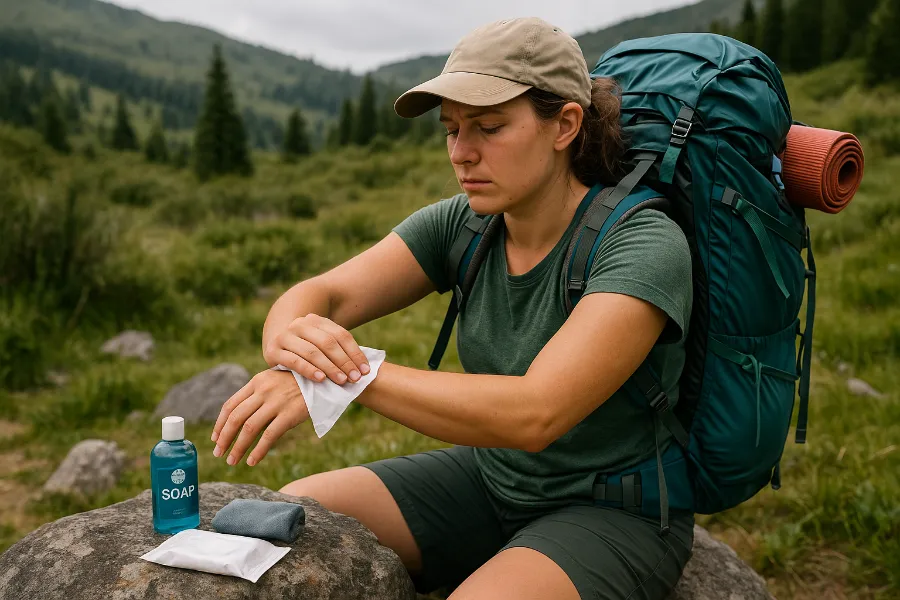
When you head out on a backpacking trip, you’re not just stepping into nature — you’re stepping away from the conveniences of daily life. That means no bathroom down the hall, no hot shower at the end of the day, and no easy way to do laundry. Still, backpacking hygiene doesn’t have to be complicated. With the right habits and a little preparation, you can keep yourself clean, healthy, and comfortable without carrying your whole bathroom on your back.
Let’s break down exactly how to manage hygiene in the backcountry without going overboard on weight or harming the environment.
Why Backpacking Hygiene Matters
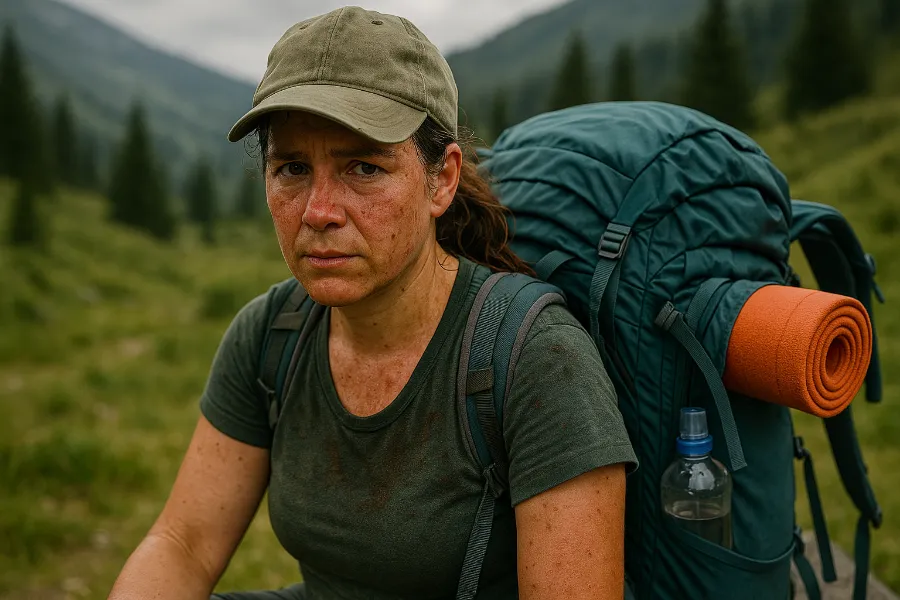
The truth is, you will get dirty. Sweat, sunscreen, bug spray, trail dust, and a little stink are part of the experience. But ignoring hygiene entirely can quickly turn unpleasant — and even risky.
- Health: Poor hygiene increases the risk of blisters, infections, and illnesses that can cut a trip short.
- Comfort: Feeling a little fresher helps morale after a long day of hiking.
- Camaraderie: If you’re with others, they’ll appreciate your effort to control the stink.
Backpacking hygiene is about finding balance: staying healthy without hauling a suitcase of toiletries.
Essential Backpacking Hygiene Kit
You don’t need much to stay clean on the trail. Pack light but smart:
Must-Have Items:
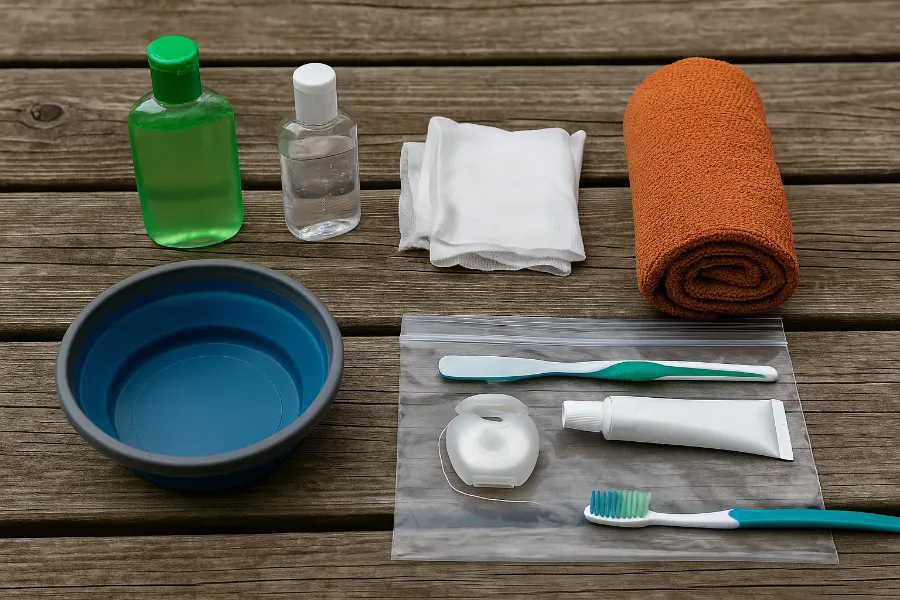
- Biodegradable soap (use at least 200 feet from water sources)
- Alcohol-based hand sanitizer
- Unscented wet wipes
- Quick-dry microfiber towel
- Toothbrush, toothpaste, and floss
- Small collapsible sink or gallon Ziploc for washing
Feminine Hygiene Essentials:
- Menstrual cup (reusable, low-waste)
- Period panties or pads (packed out properly)
- Kula cloth or pee rag (antimicrobial, reusable)
- Pee funnel (handy in cold weather or exposed areas)
What NOT to Bring:
- Scented deodorants (attract wildlife)
- Shampoo and regular soap (harms the environment)
- Razors (extra weight, unnecessary)
- Disposable wipes you won’t pack out
A simple kit like this weighs very little but covers all your hygiene bases.
How to Stay Clean Without a Shower
Showers are rare on the trail, but there are plenty of alternatives.
Wet Wipe “Showers”
Wipe down your armpits, groin, and feet before bed. It’s not glamorous, but it keeps chafing and stink at bay. Always pack out used wipes.
Sponge Baths with Biodegradable Soap
Fill a bottle or collapsible sink with water, step at least 200 feet from streams, and use a small cloth or bandana to wash your body. Focus on high-sweat areas.
Swimming as a Natural Rinse
On warm days, jump into a lake or river (without soap). It’s refreshing, rinses off sweat, and feels like a reward. Just avoid fragile alpine lakes where even natural oils can disrupt ecosystems.
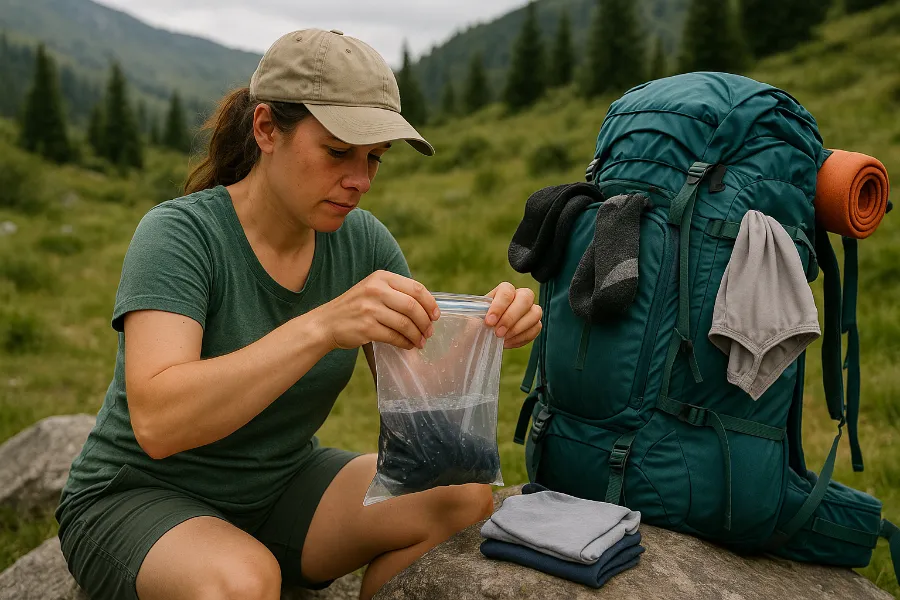
Collapsible Sink or Bag Wash
Use a lightweight sink or Ziploc bag to wash your body or clothes. Dispose of soapy water in a cathole or scatter it well away from water sources.
Bathroom Hygiene in the Backcountry
Going to the bathroom outdoors is one of the biggest worries for new backpackers, but with the right system, it’s simple.
Peeing
- Squat method: Find soft ground or pine needles to minimize splashback.
- Pee rag (Kula cloth): Wipe after peeing, then clip it to your pack to dry.
- Pee funnel: Lets you stand to pee — useful in cold, wet, or crowded areas.
Pooping
- Dig a cathole: 6–8 inches deep, at least 200 feet from water.
- Use a lightweight trowel.
- Pack out toilet paper if regulations require it (or as best practice).
- In some areas (like Mt. Whitney), you’ll need to use a WAG bag instead.
Period Management
- Menstrual cups: Reduce waste and last up to 12 hours.
- Pads/tampons: Always pack them out in a sealed bag (line with duct tape to hide contents).
- Period panties: A backup option that reduces mess and waste.
The golden rule? Leave No Trace applies to human waste, too.
Hand and Face Care
Trail illnesses often spread from dirty hands, not bad water. Keeping your hands clean is critical.
- Hand sanitizer: Use after bathroom breaks, before meals, and after handling gear.
- Soap and water: Still the best option when available.
- Face care: A quick rinse or wipe can make you feel human again, especially after sunscreen and bug spray build up.
For hair, braids or a buff keep things neat, and dry shampoo or baby powder can stretch the time between washes.
Clothing and Laundry Hygiene
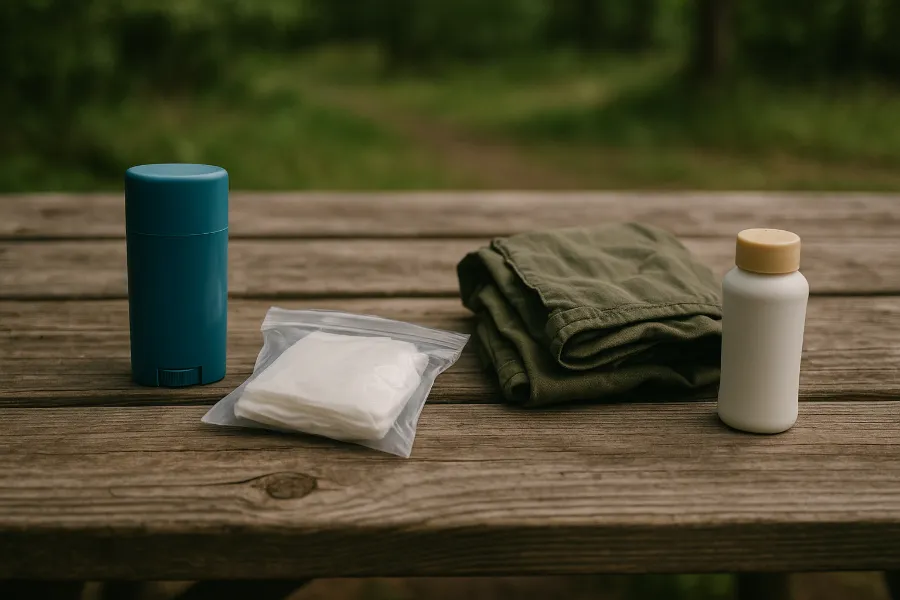
Your clothes will get sweaty and dirty — that’s unavoidable. But you can manage it.
- Fabrics: Choose synthetic or wool. They dry quickly and resist odor better than cotton.
- Rotation system: Bring two pairs of socks and underwear. Wear one while the other dries.
- Laundry method: Put clothes, water, and a little biodegradable soap in a Ziploc bag. Shake, rinse, and dry on your pack.
- Sleeping clothes: Always keep one clean, dry set just for camp and sleeping.
This system keeps you fresher while preventing your sleeping bag from turning funky.
Foot Care and Preventing Blisters
Your feet are your foundation, and backpacking hygiene starts here.
- Wash and dry feet daily, even if it’s just with plain water.
- Rotate socks often and air out your feet at breaks.
- Treat hot spots right away with tape or blister patches.
- Keep one sacred pair of camp socks just for evenings.
Happy feet mean longer, more enjoyable days on the trail.
Staying Fresh and Comfortable
A few small habits make a big difference in comfort.
- Apply body glide or powders to prevent chafing.
- Embrace your natural scent — deodorant isn’t necessary.
- Let your skin breathe by going commando or changing into loose camp clothes.
You don’t need to feel spotless — you just need to avoid discomfort.
Environmental Hygiene Principles
Every action you take outdoors leaves a trace. Good hygiene includes protecting the land and water.
- Never use soap directly in lakes or streams.
- Bury soapy water in a cathole at least 200 feet from water.
- Always pack out wipes, pads, tampons, and toilet paper.
- Avoid scented products that attract wildlife.
Practicing Leave No Trace keeps wild places healthy for everyone.
Final Thoughts: Embrace the Dirt (Within Reason)
At the end of the day, backpacking hygiene is about balance. You won’t feel squeaky clean, but you can stay healthy, avoid chafing, and keep your spirits high. After a week of wet-wipe showers and sock rotations, that first real shower back in civilization will feel like a victory lap.
So pack your wipes, embrace the stink, and hike on — the wilderness doesn’t care if you skipped deodorant.