
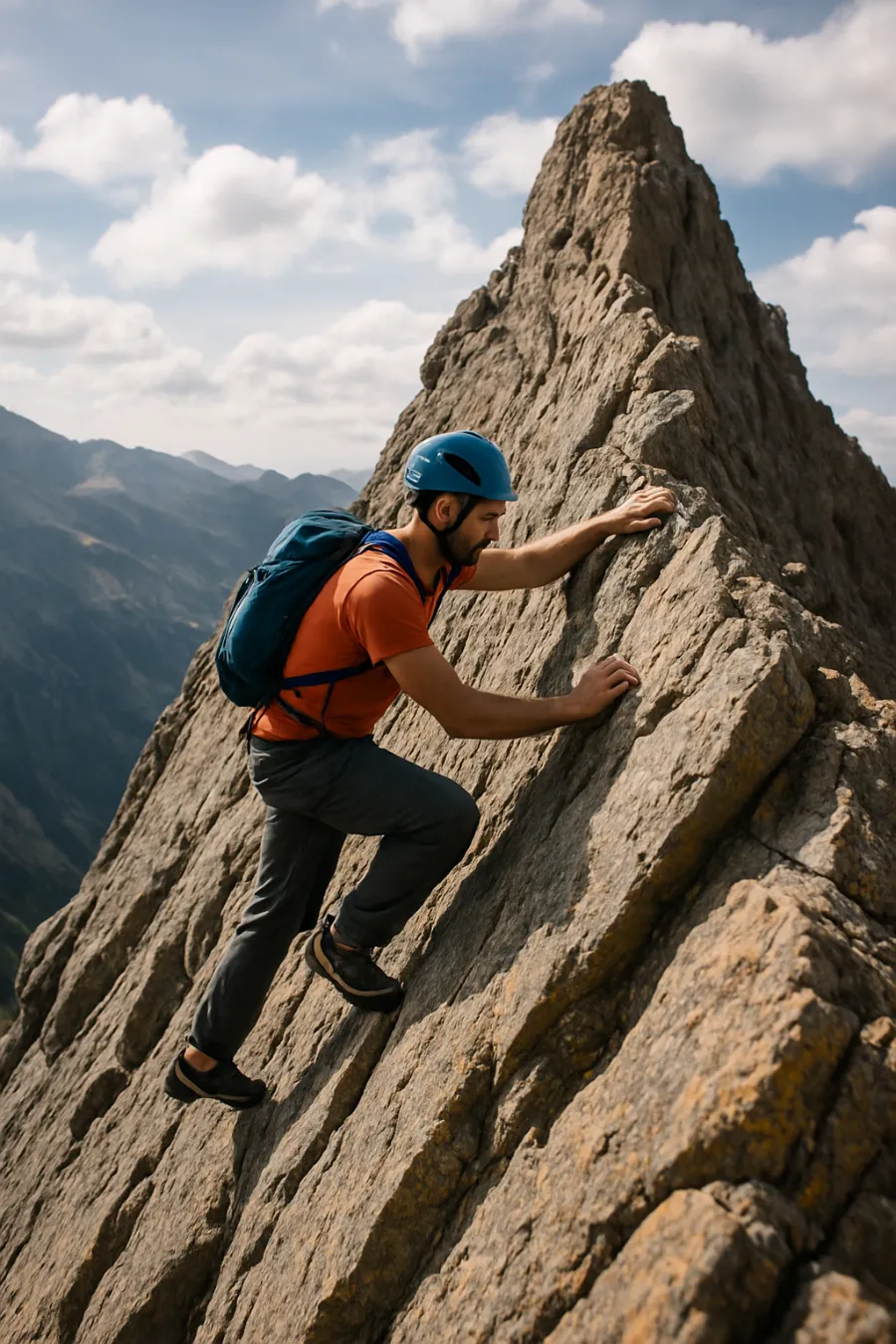
Scrambling sits in that thrilling gray zone between hiking and climbing. And if you’ve ever looked up at a jagged ridge and thought, I want to be up there, chances are you’ve crossed paths with the idea of a class 4 scramble. It’s the terrain that blurs the line—steeper than a hike, sketchier than a casual scramble, yet not quite technical climbing. It’s where adventure spikes, adrenaline surges, and mistakes matter.
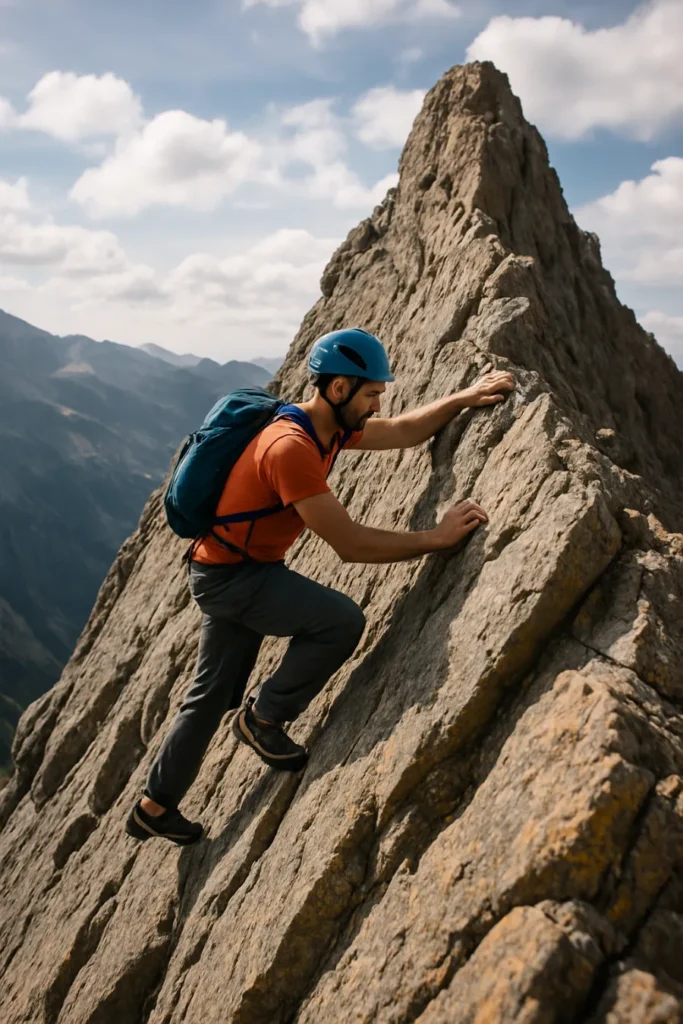
But here’s the thing: a class 4 scramble is not just “a harder hike.” It demands a different mindset, better preparation, and a sharper set of skills than what most trail miles prepare you for. Done right, it’s unforgettable. Done wrong, it can turn ugly in seconds. Let’s dig into what you need to know.
What Exactly Is a Class 4 Scramble?
To understand class 4 scrambling, you need to know where it fits on the Yosemite Decimal System (YDS), the most common scale used in North America to grade difficulty of terrain:
- Class 1: Walking on a trail.
- Class 2: Rougher trail, occasional use of hands.
- Class 3: True scrambling, frequent use of hands, real risk of a fall.
- Class 4: Steep scrambling, exposure, rope may be advisable, consequences of a fall are severe.
- Class 5: Technical climbing—ropes, harnesses, belay systems required.
A class 4 scramble is best described as “easy climbing with high consequences.” The holds are usually there. The movement isn’t always hard. But the exposure—the space beneath you—raises the stakes. A slip here could mean a catastrophic fall.
The Thin Line Between Class 3, Class 4, and Low 5th Class
One of the big debates in the climbing community is whether class 4 really exists. Some argue it overlaps completely with difficult class 3 and easy class 5. And they’re not wrong—grading is subjective. What feels like a stiff class 4 to one climber might feel like low 5th class to another.
Here’s the practical takeaway: if a route is rated class 4, be prepared for:
- Sustained exposure where a fall would be fatal.
- Scrambling that often requires deliberate climbing moves.
- Potential short sections of easy 5th class.
The lesson? Don’t get hung up on the numbers. Focus on the reality of the terrain in front of you.
Why Class 4 Scrambles Are Both Thrilling and Risky
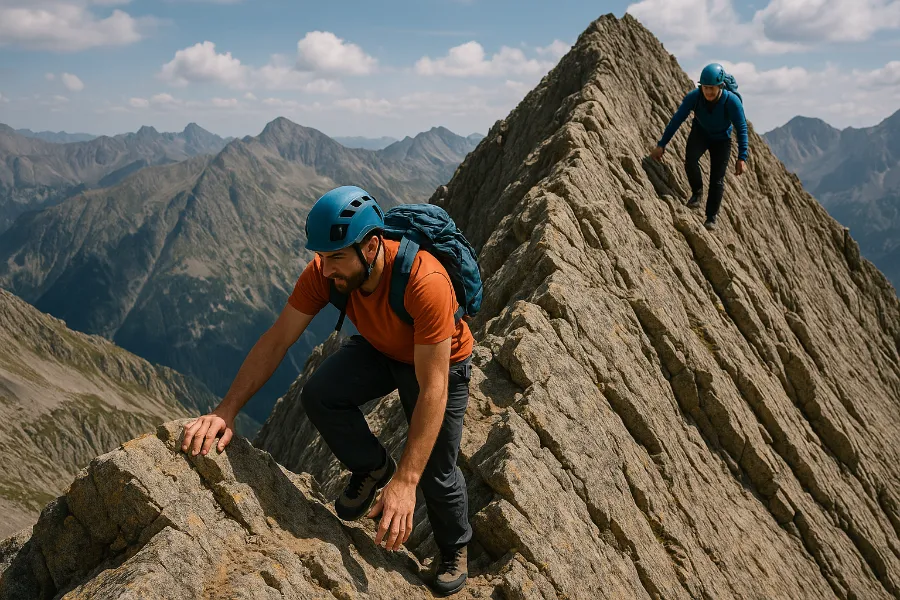
The allure of a class 4 scramble is undeniable: fewer crowds, more direct lines to the summit, and views that hikers never touch. You’re out of the forest and into the alpine playground. But that thrill comes with risk.
What makes class 4 dangerous isn’t the technical difficulty—it’s the consequences. Exposure, loose rock, fast-changing weather, and the mental pressure of knowing a mistake could be final. That’s why approaching these routes with both respect and strategy is non-negotiable.
Safety Principles for Class 4 Scrambling
When the rock steepens and the exposure sharpens, a few simple rules can make the difference between an epic day and a rescue call.
- Never make a move you can’t reverse. If you can’t downclimb it, you shouldn’t be going up without a rope.
- Know the crux. Research the hardest move on the route ahead of time so you’re not caught by surprise.
- Think descent from the start. Mark landmarks on the way up to avoid wrong turns on the way down.
- Start early. Weather rolls in fast, especially in the mountains. Be off exposed ridges before storms arrive.
- Don’t rely only on GPS. Know the mountain by map and route descriptions. Batteries die.
- Bail without ego. The mountain isn’t going anywhere. If it doesn’t feel right, turn around.
The Mental Game: Calm in the Face of Exposure
Scrambling is as much mental as physical. Standing on a ledge with hundreds of feet of air beneath you can send adrenaline through the roof. Panic leads to mistakes. Calm keeps you alive.
Here’s why mental control matters:
- It prevents rash, unsafe moves.
- It improves balance and coordination.
- It keeps communication clear with your partners.
A good scrambler knows how to pause, breathe, and reset before moving forward.
Scrambling Techniques You’ll Rely On
Think of scrambling as controlled movement on rock. The better your technique, the safer you’ll be.
- Three Points of Contact: Always have three limbs secure before moving the fourth.
- Footwork is everything. Learn smearing (pressing rubber against slabby rock) and edging (standing on tiny ledges with the inside of your shoe).
- Keep your weight close. Hug the rock, don’t lean out from it.
- Look ahead. Plan two or three moves in advance.
- Downclimb deliberately. Descending always feels harder—practice this skill as much as climbing up.
Gear That Makes a Difference
Unlike hiking, a class 4 scramble demands specialized gear that balances mobility and security.
- Approach shoes: These hybrids between hiking shoes and climbing shoes have sticky rubber soles for grip. Popular picks include La Sportiva TX3 or Boulder X.
- Helmet: Rockfall is real. A lightweight alpine helmet protects against falling debris and impacts.
- Light pack: Keep gear minimal. Heavy packs throw off balance.
- Optional rope: For long, exposed sections, especially with beginners, a rope adds a safety margin.
Not All Class 4 Scrambles Are Created Equal
Some class 4 scrambles are short and straightforward—just a few exposed moves before easier terrain. Others are long, sustained, and mentally exhausting. And not all ratings are equal:
- Popular routes: Well-traveled class 4 lines often feel closer to stiff class 3.
- Obscure routes: Expect loose rock, poor protection, and occasional sections that feel like low 5th class.
That’s why preparation and research matter.
Classic Class 4 Scrambles in Colorado
Colorado’s 14ers host some of the most iconic class 4 scrambles in North America. Peaks like:
- Capitol Peak – Famous for its “Knife Edge,” an exposed ridge that demands calm nerves.
- Little Bear Peak – Known for loose rock and serious exposure.
- Pyramid Peak & North Maroon Peak – Both deliver sustained scrambling and jaw-dropping scenery.
- Sunlight Peak & Mt. Wilson – Technical and rewarding.
Climbers flock to these peaks for the thrill, but they’re not casual hikes—they demand respect.
Mistakes Beginners Make
If you’re new to scrambling, here are common errors to avoid:
- Underestimating descent difficulty.
- Wearing hiking boots with poor traction.
- Starting too late in the day.
- Pushing through bad weather.
- Assuming class 4 is “just hiking with hands.”
Learning from others’ mistakes will save you grief (and maybe more).
Final Thoughts: The Balance of Risk and Reward
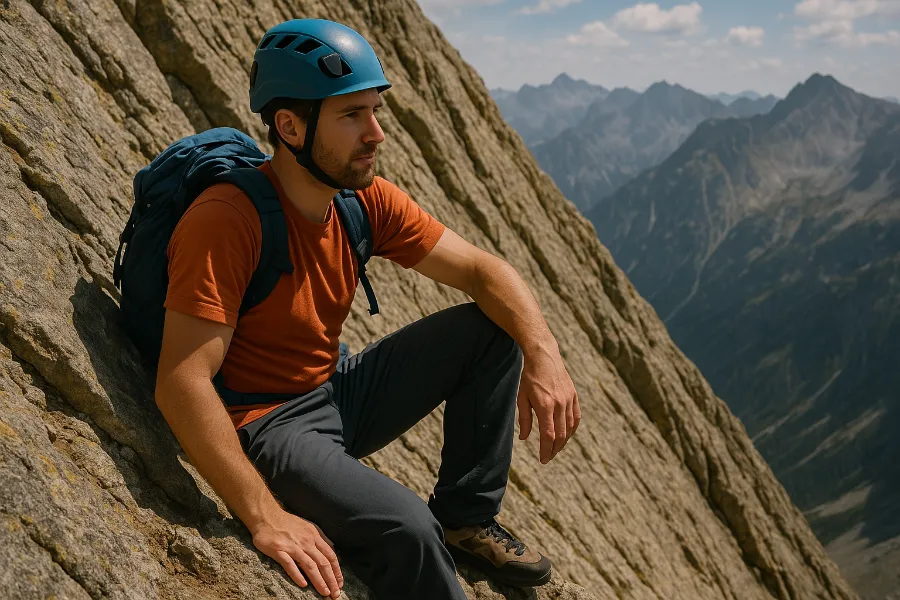
A class 4 scramble is the doorway to some of the most rewarding mountain experiences out there. It’s not about chasing a grade—it’s about developing the skills, mindset, and preparation to move safely in exposed terrain. With the right approach, class 4 opens a new world of adventure.
Respect the risks. Embrace the challenge. And step carefully into the exhilarating world where hiking ends and climbing begins.